


A Comprehensive Guide to Choosing the Right Hydraulic Pump Seal for Your System
Hydraulic pump seals play a critical role in hydraulic systems. They not only help maintain the pressure of the system's oil but also prevent contaminants from entering, extending the life of the hydraulic pump and related components. However, selecting the right hydraulic pump seal is not a simple task. Many customers face confusion and practical pain points during the selection process: How do I choose the right material? How should the size match? Can it handle high-pressure requirements? This article will answer these questions and guide you in choosing the best hydraulic pump seal to improve your hydraulic equipment's overall performance.

1. Understanding the Basic Function of Hydraulic Pump Seals
The primary function of a hydraulic pump seal is to prevent oil leakage while ensuring the hydraulic system operates normally. In hydraulic systems, seals must endure high pressure, friction, and external contaminants. Therefore, when choosing a hydraulic pump seal, several factors must be considered, such as material, size, sealing performance, and wear resistance.
2. Choosing the Right Material for Hydraulic Pump Seals
The material of the hydraulic pump seal directly impacts its performance and lifespan. Different working environments and hydraulic systems require different seal materials. Common seal materials include:
NBR (Nitrile Rubber): Suitable for sealing oil, fuel, and water-based liquids, offering good oil resistance and wear resistance. NBR is the most commonly used material for hydraulic pump seals.
Viton (Fluoroelastomer): Excellent for high-temperature and chemically aggressive environments, making it ideal for sealing in high-temperature and corrosive hydraulic systems.
PU (Polyurethane): Known for its high wear resistance, PU seals are perfect for high-load, high-speed hydraulic systems, especially in applications where pressure resistance and anti-friction properties are crucial.
The choice of seal material depends on the hydraulic pump's working temperature, the type of medium, and the operating environment.
3. How to Choose the Correct Size?
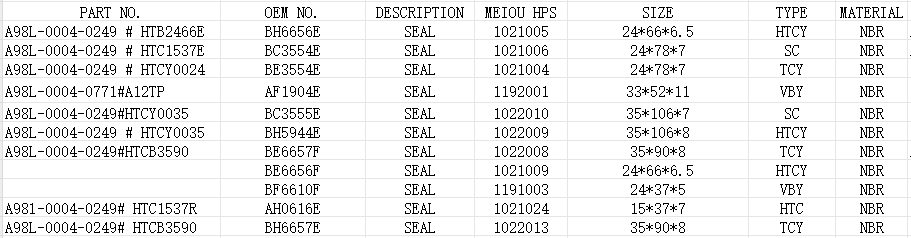
The size of the hydraulic pump seal is crucial. A properly sized seal ensures effective sealing, preventing oil leakage and contaminants from entering. When selecting the size, consider the following:
Inner and Outer Diameters: The inner diameter of the seal must match the bearing size of the hydraulic pump, while the outer diameter should fit the casing of the hydraulic system.
Width: The seal's width should be suitable for the installation space, ensuring a secure fit.
Seal Lip Shape: The shape of the seal lip significantly affects sealing performance. Choosing the correct lip design can improve sealing efficiency and reduce wear.
4. Adaptability and Sealing Performance
In the high-pressure working environment of a hydraulic pump, the adaptability and sealing performance of the seal are crucial. To ensure the efficient operation of the hydraulic system, it's essential to choose seals that offer good elasticity and sealing properties, preventing oil leaks and the entry of external contaminants. A high-performance seal guarantees the stable operation of the hydraulic pump and reduces maintenance frequency.
5. Choosing a Professional Supplier
When selecting hydraulic pump seals, it's advisable to choose a supplier with rich experience and strong technical expertise. Professional suppliers can offer a variety of seal materials and sizes, meeting the needs of different hydraulic systems. Additionally, customer service is an important consideration; selecting a supplier who offers prompt technical support and solutions during usage can save time and resources.
6. The Importance of Customer Feedback
When choosing hydraulic pump seals, customer feedback is invaluable. Reading about the real-world experiences of other users helps you understand the product's actual performance, such as material durability, sealing efficiency, and longevity. This first-hand information is crucial in making an informed decision.
Conclusion
Selecting the right hydraulic pump seal is not only a protective measure for your hydraulic system but also a guarantee of long-term, stable equipment performance. We hope this article has helped you better understand how to choose the right seal based on your specific needs. If you encounter any issues during the selection process, feel free to leave a comment below, and we'll provide expert solutions tailored to your requirements. If you found this article useful, don’t forget to share it with your peers and colleagues, helping everyone improve the efficiency and lifespan of their hydraulic systems.
#HydraulicPump #HydraulicPumpSeal #HydraulicSeal #SealSelection #HydraulicSystem #HydraulicPumpSealing #SealMaterial #NBRSeal #VitonSeal #PUSeal #HydraulicEquipment #SealingPerformance #WearResistantSeal #HighPressureHydraulicPump #HydraulicPumpMaintenance #HydraulicPumpLifespan #HydraulicSystemCare #SealSize #SealInstallation #SealLeakage #HighTemperatureSeal #HydraulicPumpTechnology #HydraulicPumpSelection #HydraulicSystemProblems #HydraulicPumpPerformance #HydraulicPumpSealSolution #HydraulicPumpFeedback #SealSelectionGuide #HydraulicPumpParts #HydraulicPumpFaults #HydraulicEquipmentRepair #HydraulicSystemSealing #HydraulicSealDesign #HydraulicPumpSealReplacement #HydraulicPumpSealMaterialSelection #HydraulicSealInstallationTips #SealInstallationConsiderations #HydraulicPumpSelectionAdvice #HydraulicSystemMaintenanceTips #HydraulicPumpPerformanceOptimization #HydraulicPumpExpert #HydraulicPumpSealApplication


Comments